VISOR / Analysis guides
What Is a Shooting Analysis System?
A shooting analysis system combines hardware and software to record movement and timing data from a training session and present it as readable charts and reports. Its value lies in making the recorded session understandable, rather than reducing everything to a single score.
Explore the guide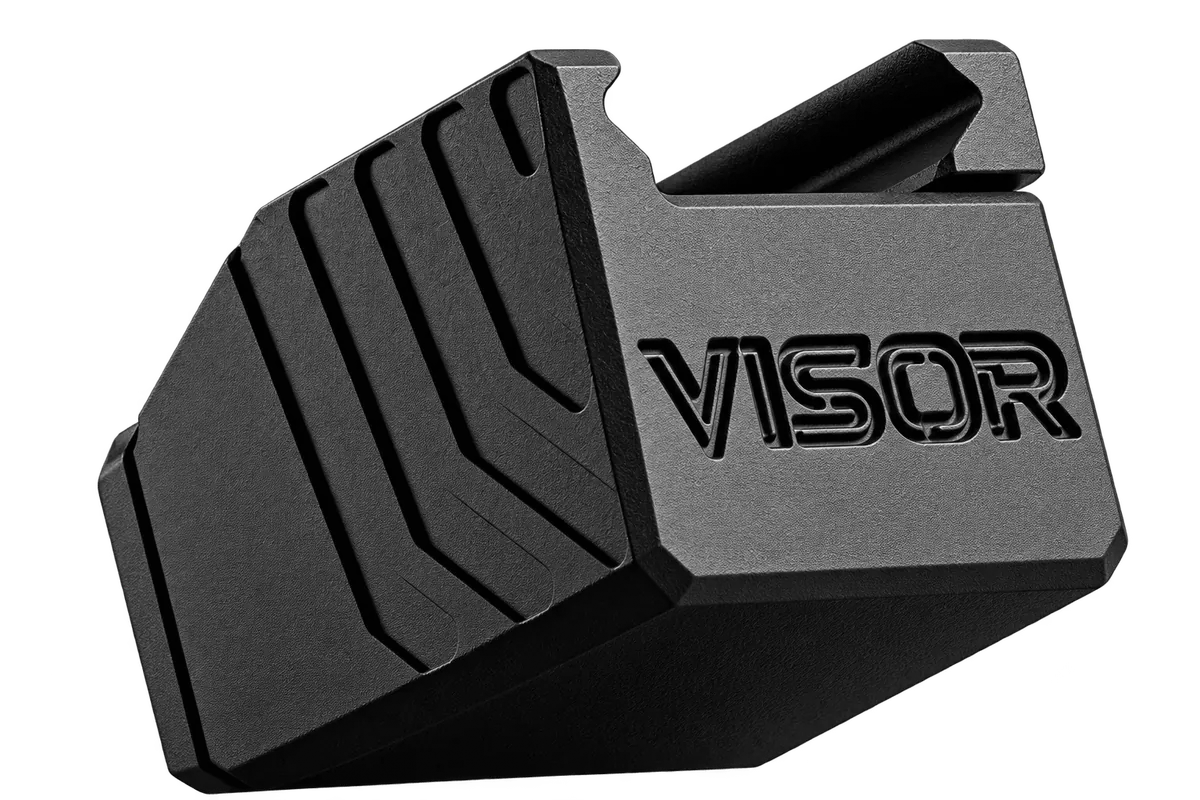
- Scope
- Movement + time
- Output
- Charts + reports
- Interpretation
- Instructor context
What does a shooting analysis system measure?
The available data depends on the hardware. A motion-sensor solution can record changes in movement and orientation, while timestamps place detected events within a session. Software brings these records together for review.
Target impact, sensor movement and a calculated score are different kinds of information. Ask which values are measured directly, which are calculated and whether target data requires a separate source. A single number cannot describe an entire training session.
- Movement record: changes captured by the sensor over time.
- Event timing: timestamps for events detected by the system.
- Session report: a view that brings supported measurements together.
How does recorded data become a report?
The general architecture has three layers: hardware that captures data, software that processes it and an interface that displays the result. Sensor, camera and target-based systems use different inputs. Similarly named charts may therefore represent different physical quantities.
A report should identify the time range, measurement units and session. Hardware compatibility, software version and recording conditions affect interpretation. Do not assume an accuracy specification or use case that the manufacturer has not documented.
What does it offer instructors?
Recorded sessions provide a shared reference for discussion and later review. Observations can be considered alongside a dated record, making the context of an assessment clear.
Software does not replace an instructor. A chart alone cannot establish a definitive cause, qualification or safety judgement. Recording quality and the wider training context still matter.
Records and assessment in a marksmanship training systemQuestions to ask when evaluating a system
Start with the information you need, how it is recorded and who can access it. Reviewing a sample report is often more informative than comparing feature lists alone.
- Are measurement units and calculation methods explained?
- Are compatible hardware and supported conditions documented?
- Who can view records, and what are the retention and deletion policies?
- Can timing and movement information be distinguished?
Where measurement ends and interpretation begins
Analysis supports recording and assessment; it does not guarantee a particular outcome or improvement percentage. Differences in data sources and conditions should be noted when comparing sessions. Incomplete records should not be turned into definitive conclusions.
The related guides separate trigger-event analysis, aim traces and performance reporting so that each measurement can be understood in its own context.
Discover the product
Where does VISOR fit?
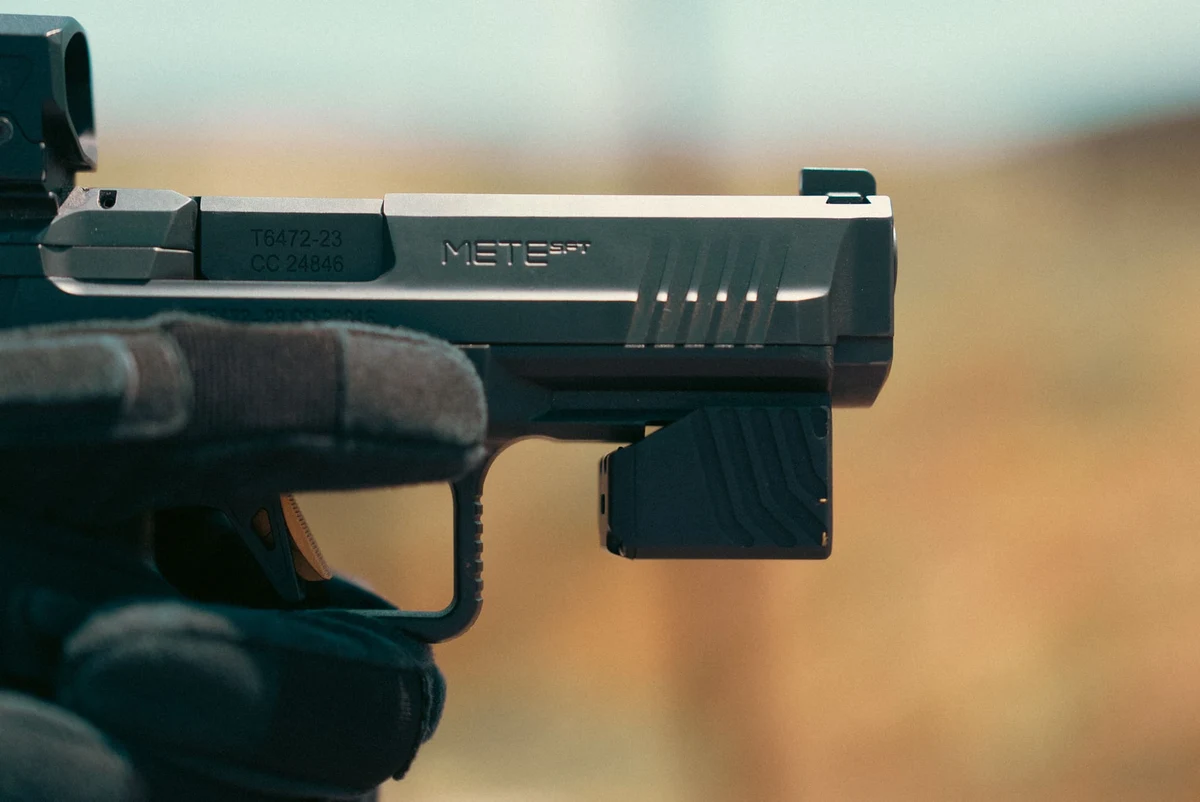
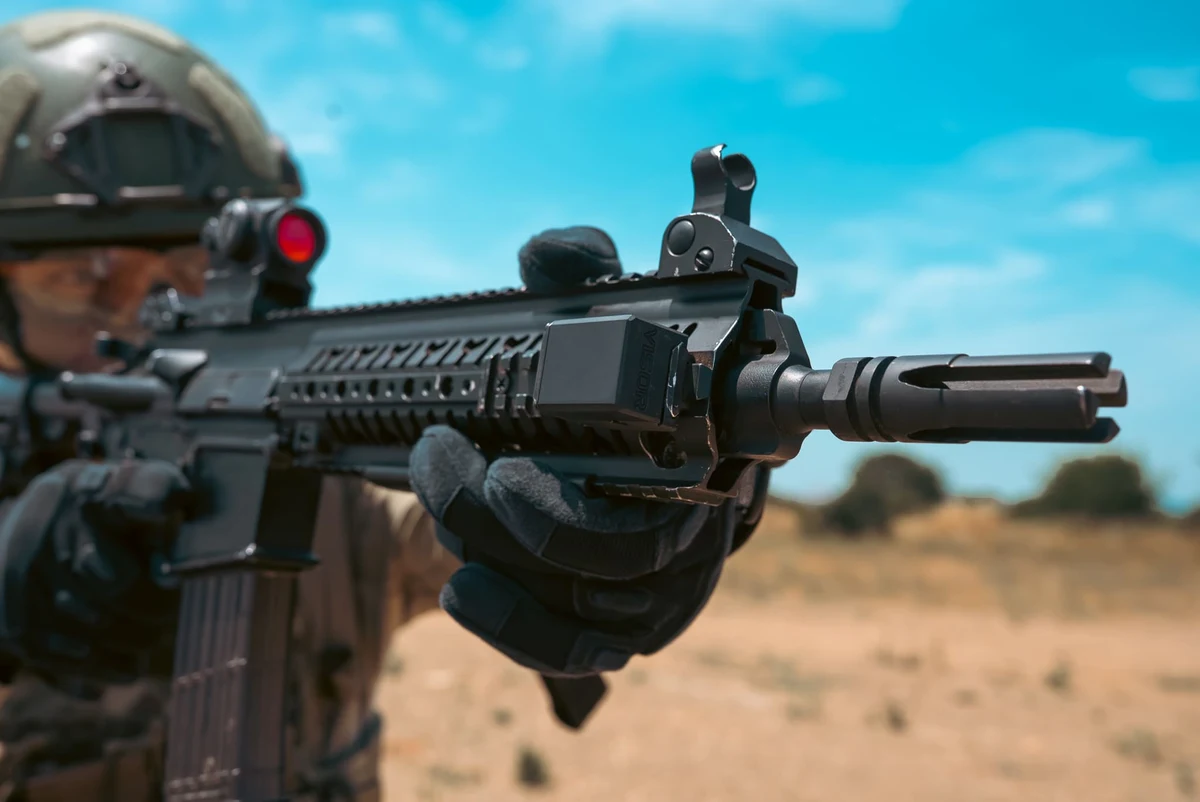
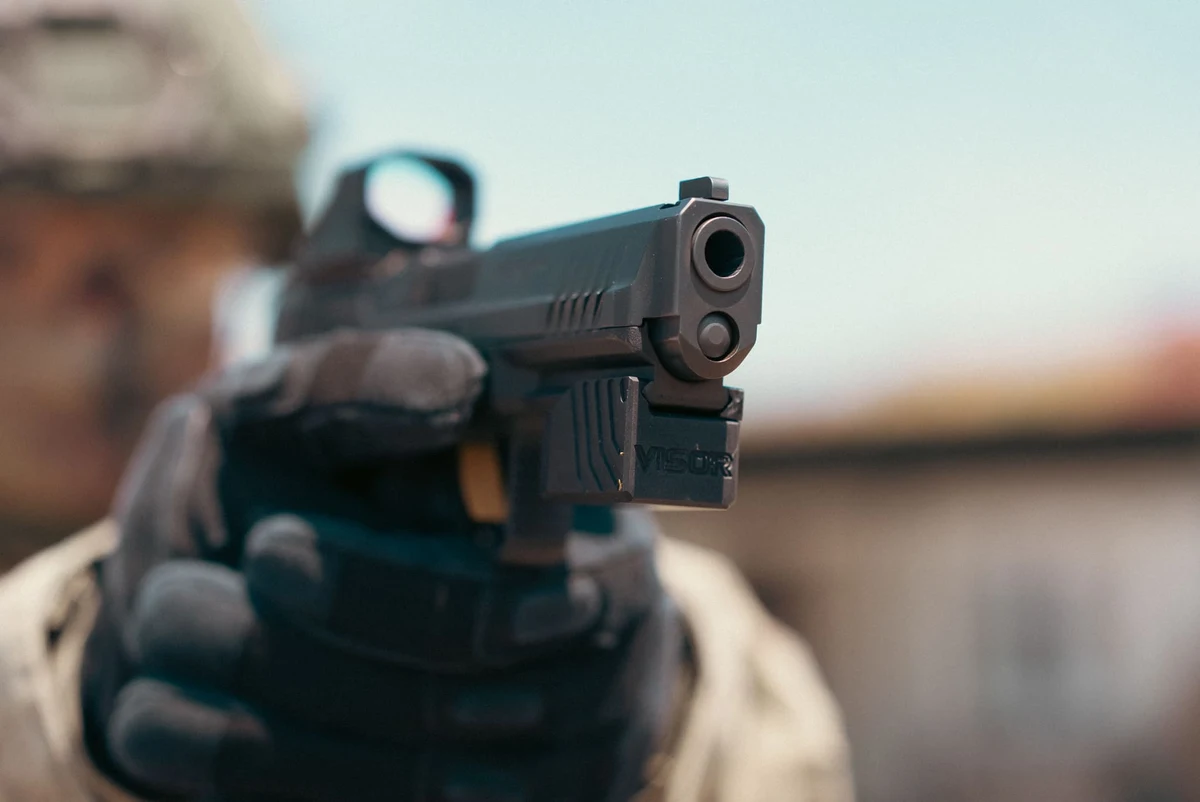
VISOR pairs a compact sensor with VISOR App for data-based session review. Explore the hardware on the product page and the session, analysis and progress views on the application page. Our team can clarify compatibility and scope for your proposed use.
Prepared by VISOR Labs. This reference explains product and measurement terminology; it does not replace instructor supervision or manufacturer safety documentation.