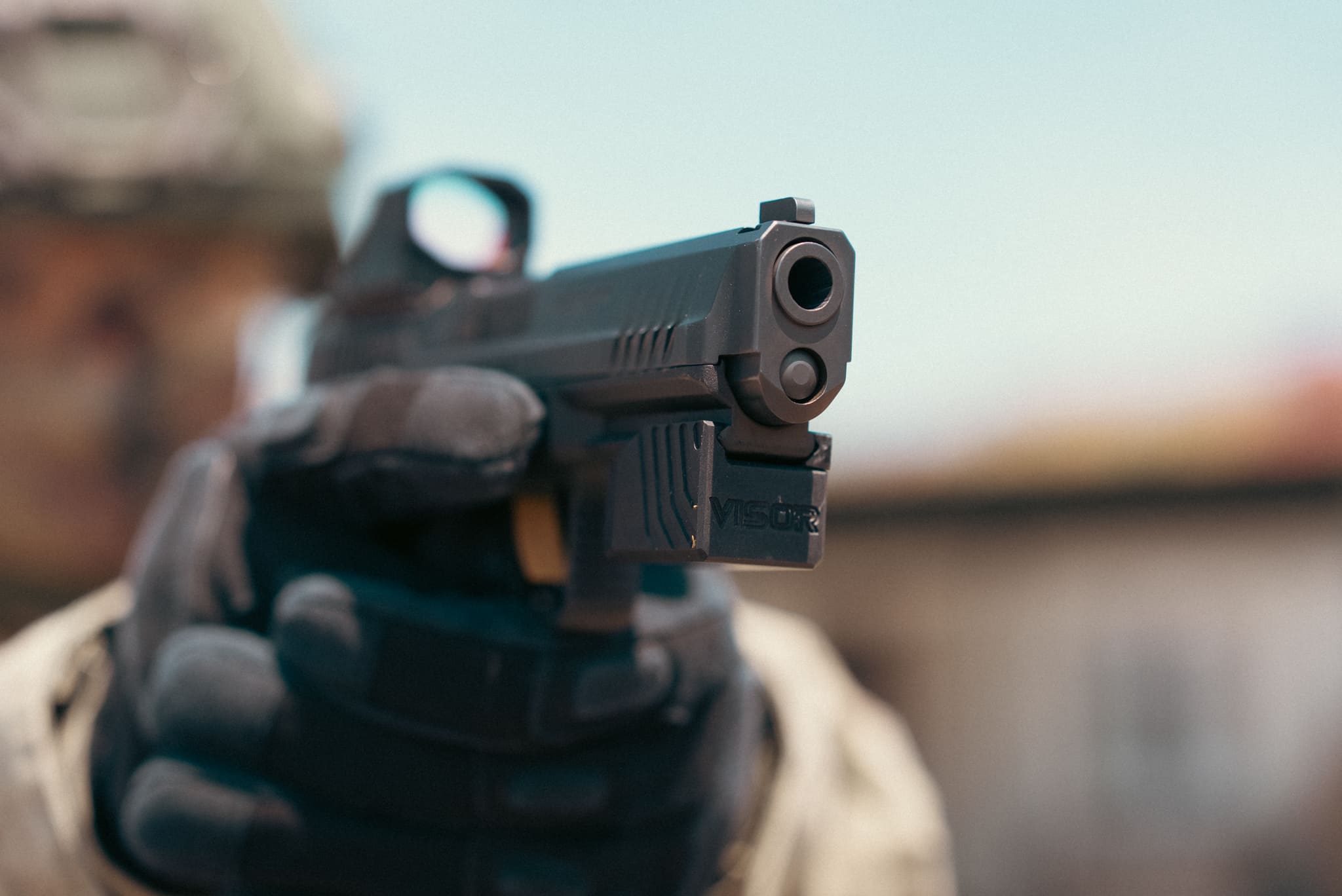
Most shooters believe the shot happens in a single instant.
In reality, the outcome of every shot is decided before the trigger ever breaks. The muzzle is never perfectly still — it is always moving, drifting, correcting — and how that movement behaves in the final moments before the shot determines where the round actually goes.
Understanding this pre-shot movement is one of the most overlooked keys to consistent accuracy.

The Muzzle Is Always Moving
No shooter, regardless of skill level, holds a completely motionless sight picture.
Natural physiological factors — heartbeat, breathing, muscle tension, minor balance adjustments — all produce small, constant motion at the muzzle. Elite shooters do not eliminate this movement. They manage it.
This natural motion is often called the wobble zone: the small area within which the sight or dot continuously drifts around the target.
The goal of good shooting is not to stop the wobble entirely. It is to press the trigger while the wobble zone is at its smallest and most controlled.
Why Pre-Shot Movement Matters More Than the Shot Itself
Many shooters focus their attention entirely on the trigger press.
But the trigger press is only the final step in a much longer process. What the muzzle is doing in the one or two seconds before the shot often predicts the outcome more reliably than the press itself.
Key pre-shot factors include:
- How large the wobble zone is
- Whether the movement is settling or increasing
- Whether the shooter is chasing the sight rather than accepting natural movement
- Whether stability is improving or degrading as the trigger press begins
A shooter who presses the trigger during a moment of increasing instability will produce a different result than one who presses during a moment of settled stability — even if the trigger press itself is technically identical.
The Trap of Chasing the Sight
One of the most common errors shooters make is trying to force the sight to stop moving.
When the front sight or red dot drifts off the intended point of aim, the instinctive reaction is to make a correction — pushing the muzzle back toward center. This creates a cycle of constant micro-corrections, often called chasing.
Chasing does not produce stillness. It produces oscillation.
Rather than settling, the muzzle moves in increasingly erratic patterns, and the shooter ends up pressing the trigger during a moment of active correction rather than natural stability.

Anticipation Compounds the Problem
Muzzle movement before the shot is also heavily influenced by anticipation.
As the trigger press approaches its break point, many shooters unconsciously brace for recoil. This bracing introduces new movement — often downward or forward — that did not exist moments earlier.
The result is a shot that was aimed correctly, disrupted by movement the shooter was not even aware of.
This is why two shooters can have identical sight pictures moments before the shot, yet produce very different results. The difference lies in what happens to the muzzle in the final fraction of a second — something that is almost impossible to detect through feel alone.
Why This Is So Hard to Self-Diagnose
Pre-shot muzzle movement happens too quickly, and too subtly, for conscious awareness.
A shooter may believe their sight picture was stable right up until the shot broke, when in reality the muzzle was drifting, accelerating, or correcting in ways invisible to the naked eye.
Without objective measurement, shooters are left guessing:
- Was the shot pulled because of grip?
- Because of trigger control?
- Because of instability that existed before the press even began?
Traditional training rarely answers this question with certainty.
Turning Invisible Movement Into Visible Data
This is precisely the gap that motion tracking closes.
By continuously measuring muzzle movement — not just at the moment of the shot, but throughout the entire aiming process — it becomes possible to see the full story behind every shot.
This makes it possible to identify:
- The true size and shape of a shooter's wobble zone
- Whether stability is improving or degrading before the press
- Whether chasing behavior is present
- Whether anticipation is disrupting the shot in its final moments
Instead of analyzing only where the bullet landed, shooters gain insight into everything that happened before it left the barrel.
How VISOR Applies This
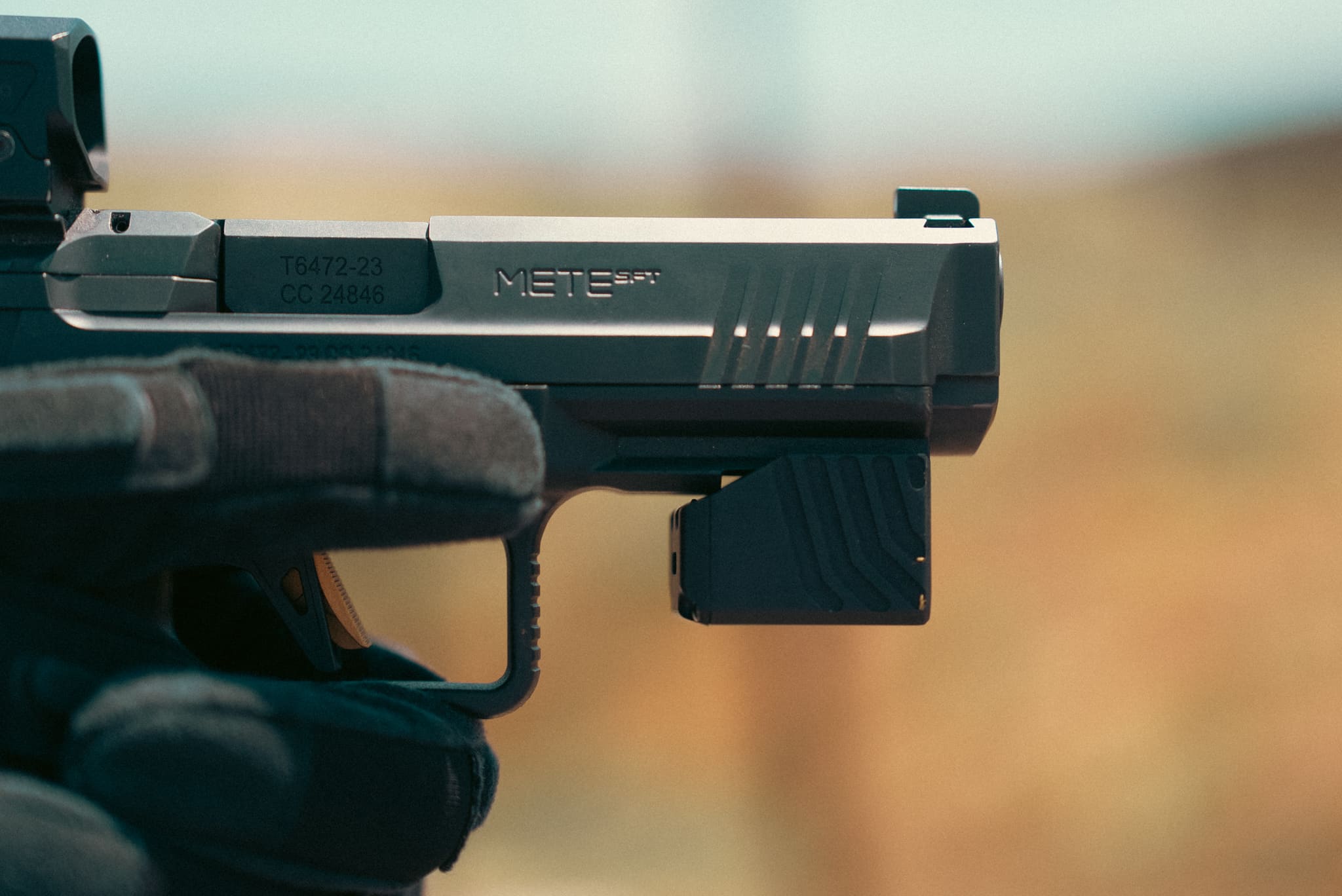
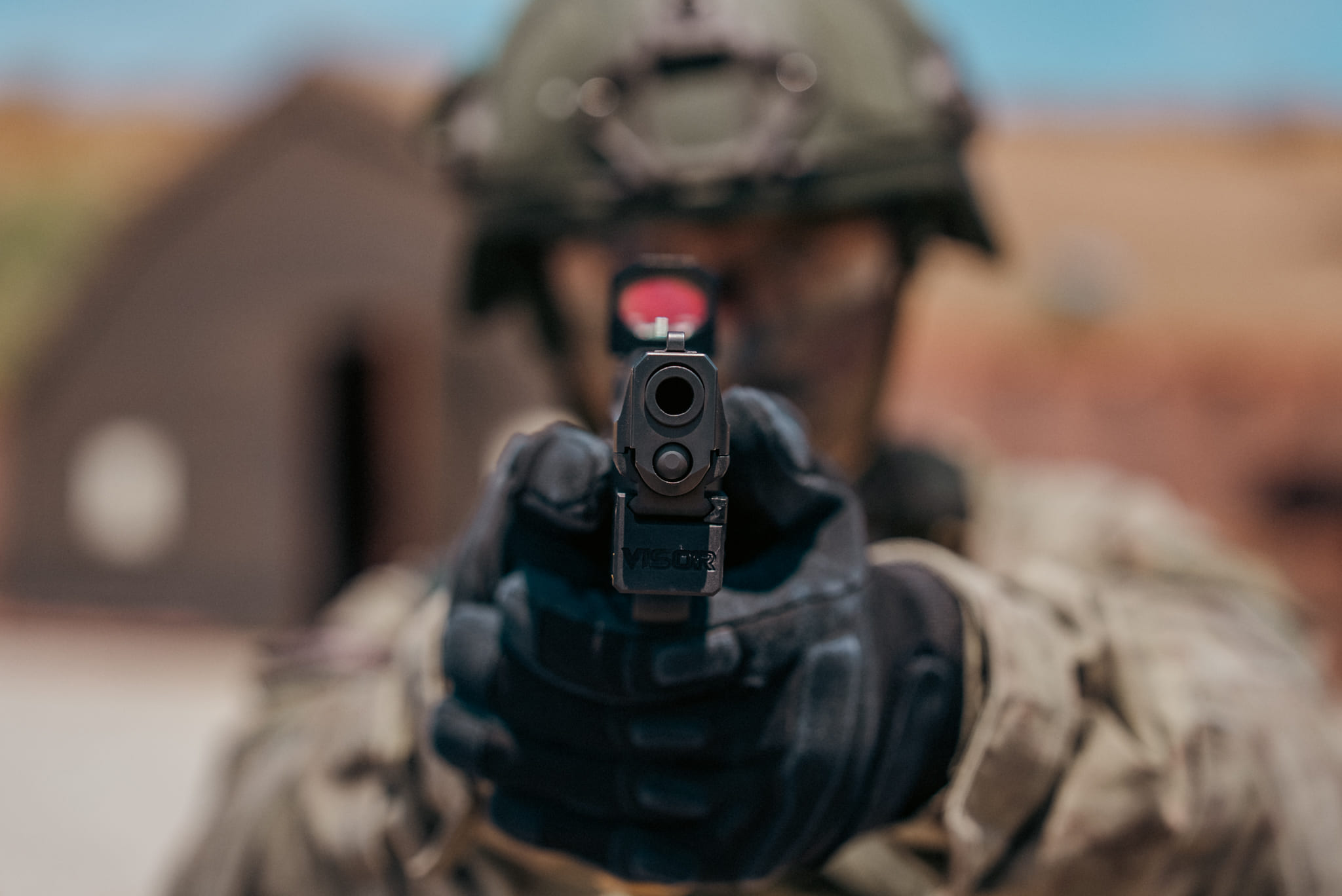
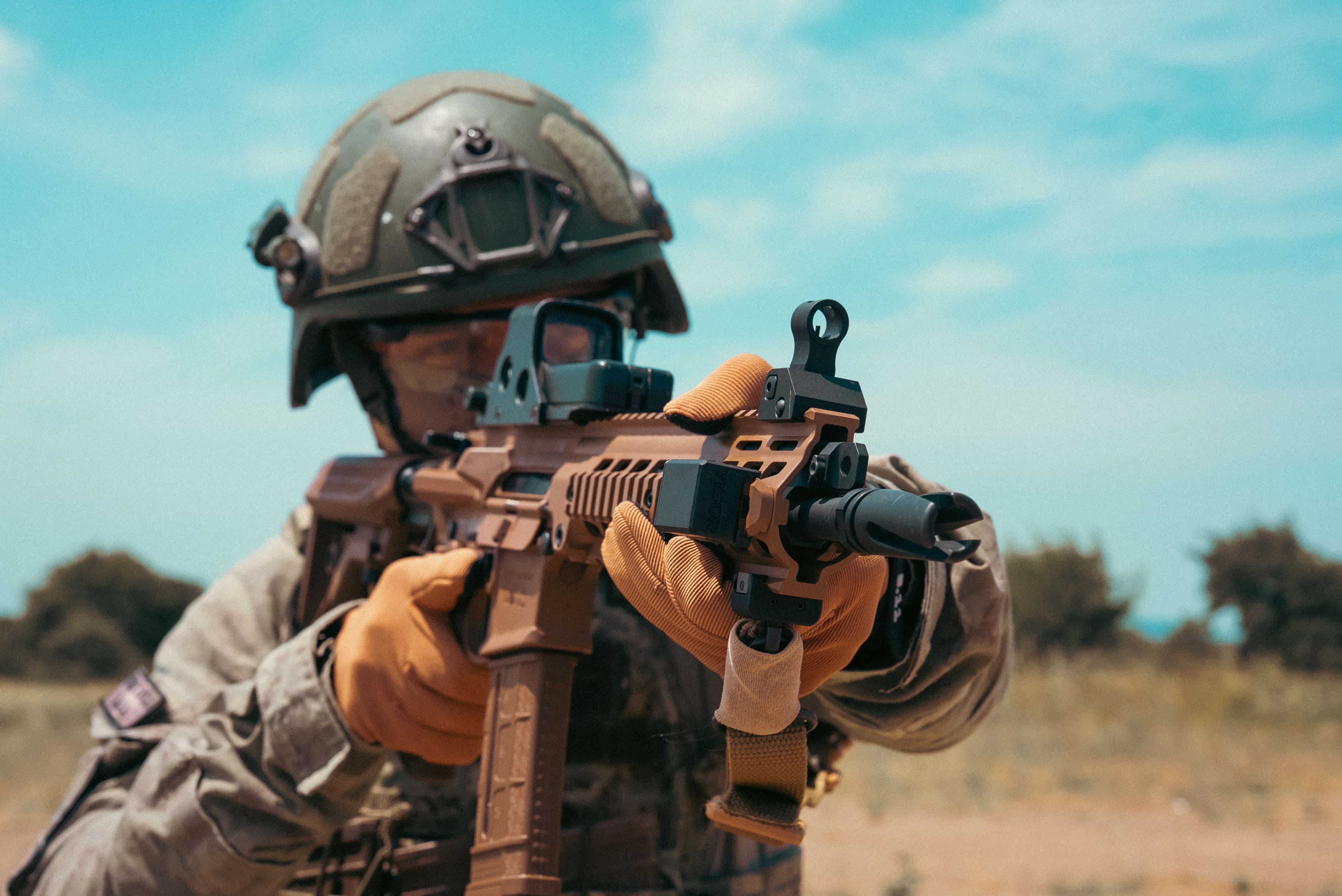
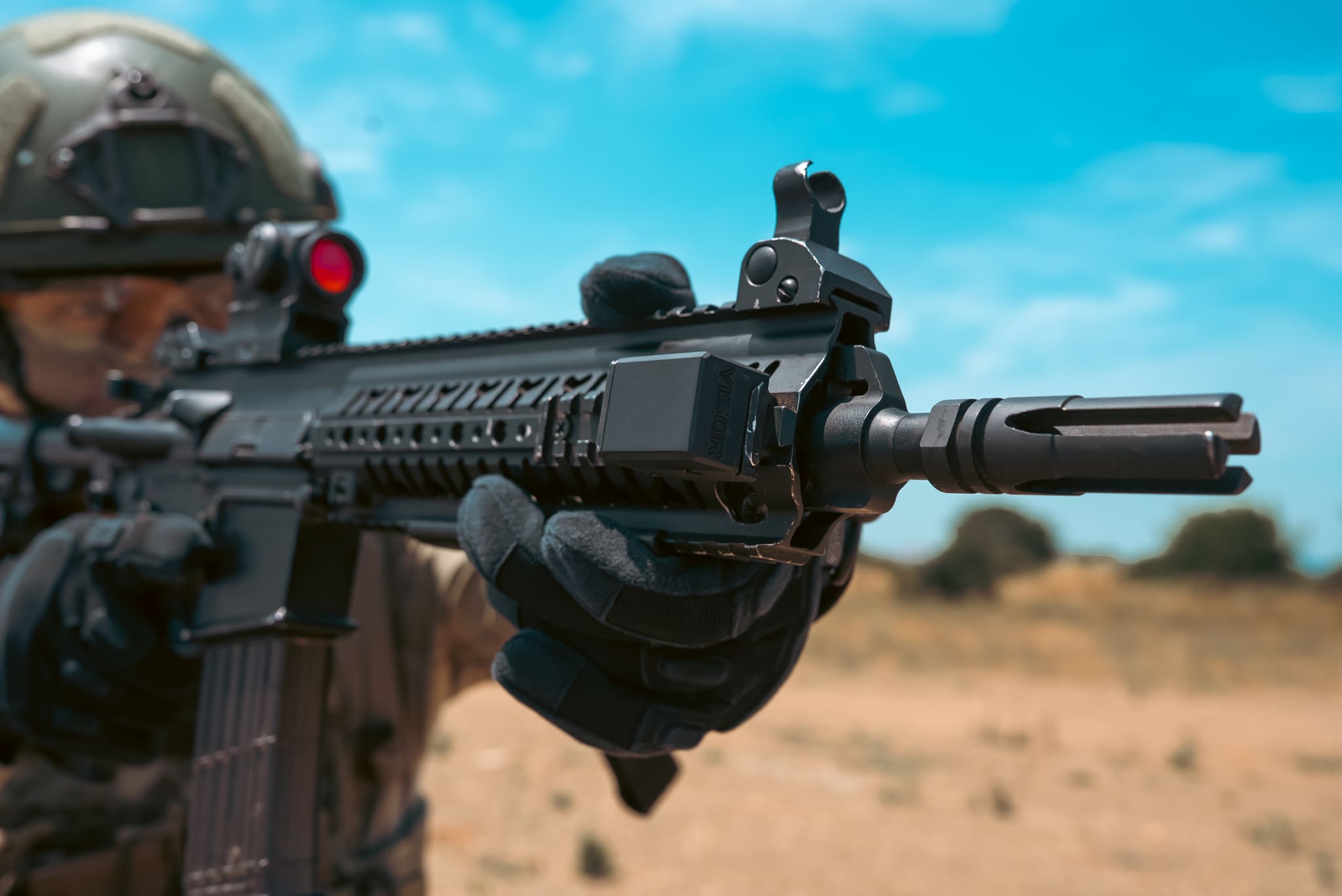
VISOR tracks weapon movement continuously through every phase of the shot process — not only during the trigger press, but in the seconds leading up to it.
This allows shooters to see their wobble zone, observe how their stability changes as the press begins, and identify whether chasing or anticipation is affecting their performance — across dry fire, laser training, and live fire alike.
Rather than treating the shot as a single event, VISOR treats it as a process, giving shooters the data needed to understand and improve every stage of it.
Stillness Is a Skill, Not a Given
No one holds a perfectly still muzzle. The difference between advanced and inconsistent shooters is not the absence of movement — it is the ability to understand it, work with it, and press the trigger at the right moment within it.
Seeing that movement is the first step toward controlling it.
Learn more about VISOR at www.visorlabs.co
Android Play Store: https://play.google.com/store/apps/details?id=com.visorai.app Apple App Store: https://apps.apple.com/tr/app/visor/id6775163107?l=tr