Ask ten shooters whether dry fire “really” translates to live fire performance, and you will get ten different opinions.
Some swear by it. Others dismiss it as practice for a different skill entirely. For decades, this debate has been argued through experience and anecdote, because there was no way to actually measure the answer.

Now there is.
Why This Question Has Been So Hard to Answer
The dry fire versus live fire debate has always suffered from the same problem: the two methods were never measured against the same standard.
Live fire produces a visible result — a hole in a target, a hit or a miss. Dry fire produces nothing to see. Without recoil, without a bullet, shooters were left to judge their dry fire performance purely on feel, with no way to connect it back to what actually happens under live fire conditions.
This made the debate almost impossible to settle. Both sides were arguing from incomplete information.
What Dry Fire Actually Trains
Dry fire removes recoil, noise, and bullet impact from the equation — but it does not remove the mechanics that matter most.
Trigger control, grip stability, sight alignment, and the muzzle behavior in the moments before the press all remain fully present in dry fire. What disappears is the consequence: there is no impulse to anticipate, no bang to flinch from.
This makes dry fire uniquely useful for isolating one specific question: what does the shooter’s technique look like when recoil anticipation is removed from the equation entirely?
What Live Fire Adds
Live fire reintroduces everything dry fire removes — recoil, noise, and the psychological weight of a real consequence.
This is precisely why anticipation, flinching, and bracing are often invisible in dry fire but appear immediately under live fire. The reflex being measured is a reaction to an expected event, and dry fire, by design, does not fully trigger that expectation.
Live fire is where a shooter discovers whether the mechanics built in dry fire hold up when the stakes are real.
Comparing the Two With Objective Data
When weapon movement is tracked continuously across both training methods, a clearer picture emerges than either side of the debate typically assumes.
Common patterns include:
- Trigger control metrics that are nearly identical between dry fire and live fire for shooters with strong fundamentals
- A noticeable increase in anticipation-related movement specifically under live fire, even when dry fire technique looks clean
- Grip stability that often transfers well between the two methods
- Follow-through and recovery time that can differ significantly once recoil is introduced
In other words, dry fire is not a perfect predictor of live fire performance — but it is not irrelevant either. The data shows that some elements transfer almost completely, while others only reveal themselves once recoil enters the picture.
Where the Two Methods Diverge Most
The biggest divergence between dry fire and live fire consistently shows up around anticipation.
A shooter can demonstrate a textbook-clean trigger press in dry fire, then show clear bracing and muzzle dip the moment live rounds are introduced. This is not a contradiction — it reflects the fact that anticipation is a response to an expected physical event, and no amount of dry fire alone fully replicates that expectation.
This is also why relying on dry fire exclusively can create a false sense of readiness. The fundamentals may be solid, while the reflex response to recoil remains completely untested.

Where the Two Methods Align Most
At the same time, the data consistently shows that certain skills transfer strongly from dry fire to live fire — particularly grip consistency, sight alignment, and baseline trigger mechanics when performed without time pressure.
This explains why dry fire remains one of the most efficient ways to build foundational technique. It isolates the exact variables that are hardest to feel and easiest to reinforce incorrectly, without the cost, time, and safety considerations of live ammunition.
The most effective training does not treat dry fire and live fire as competing methods. It treats them as two measurements of the same underlying skill set — each revealing something the other cannot.
Closing the Gap With Continuous Measurement
The real value of comparing dry fire and live fire is not proving one superior to the other. It is identifying exactly where a shooter’s technique holds up, and exactly where it breaks down once recoil is introduced.
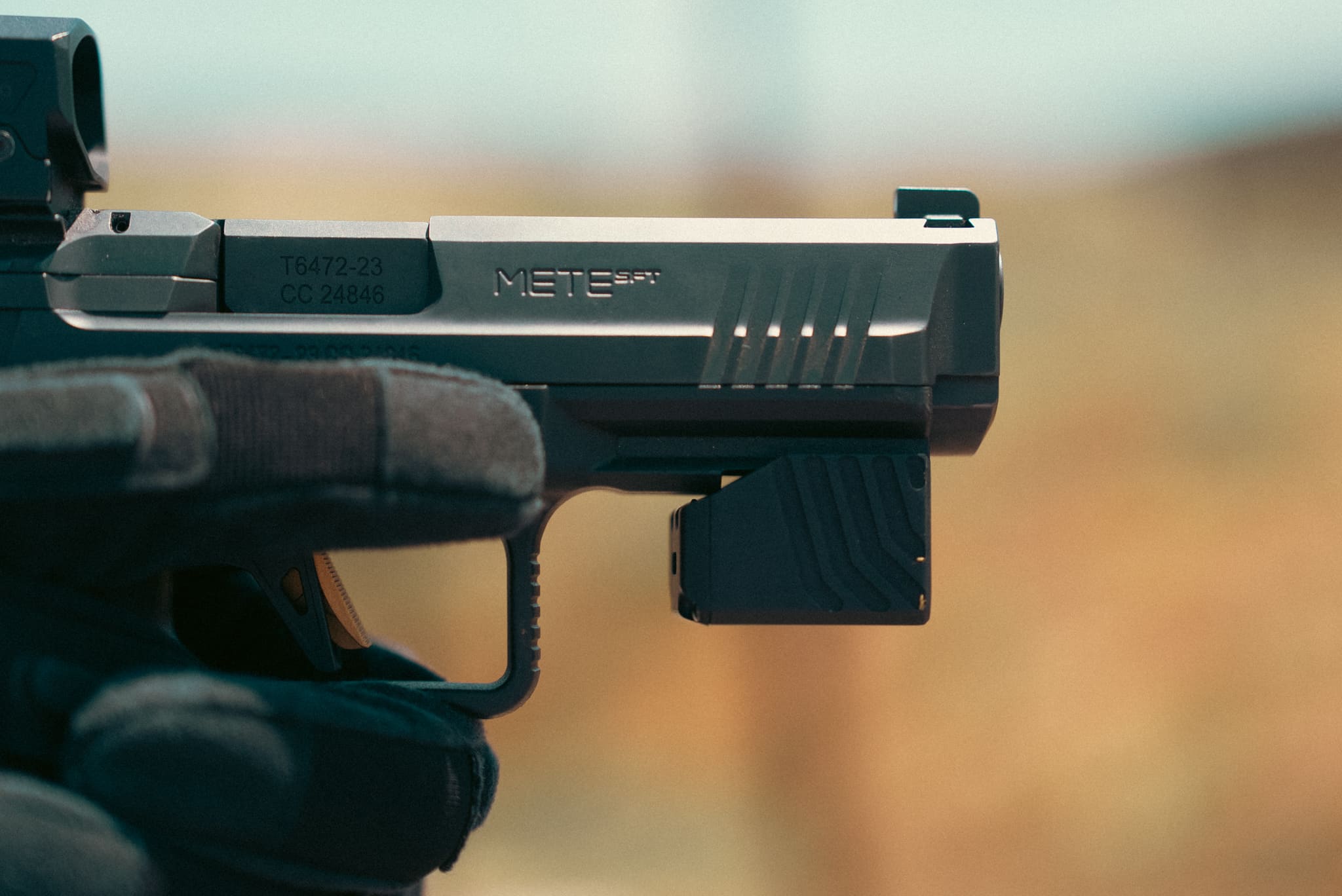
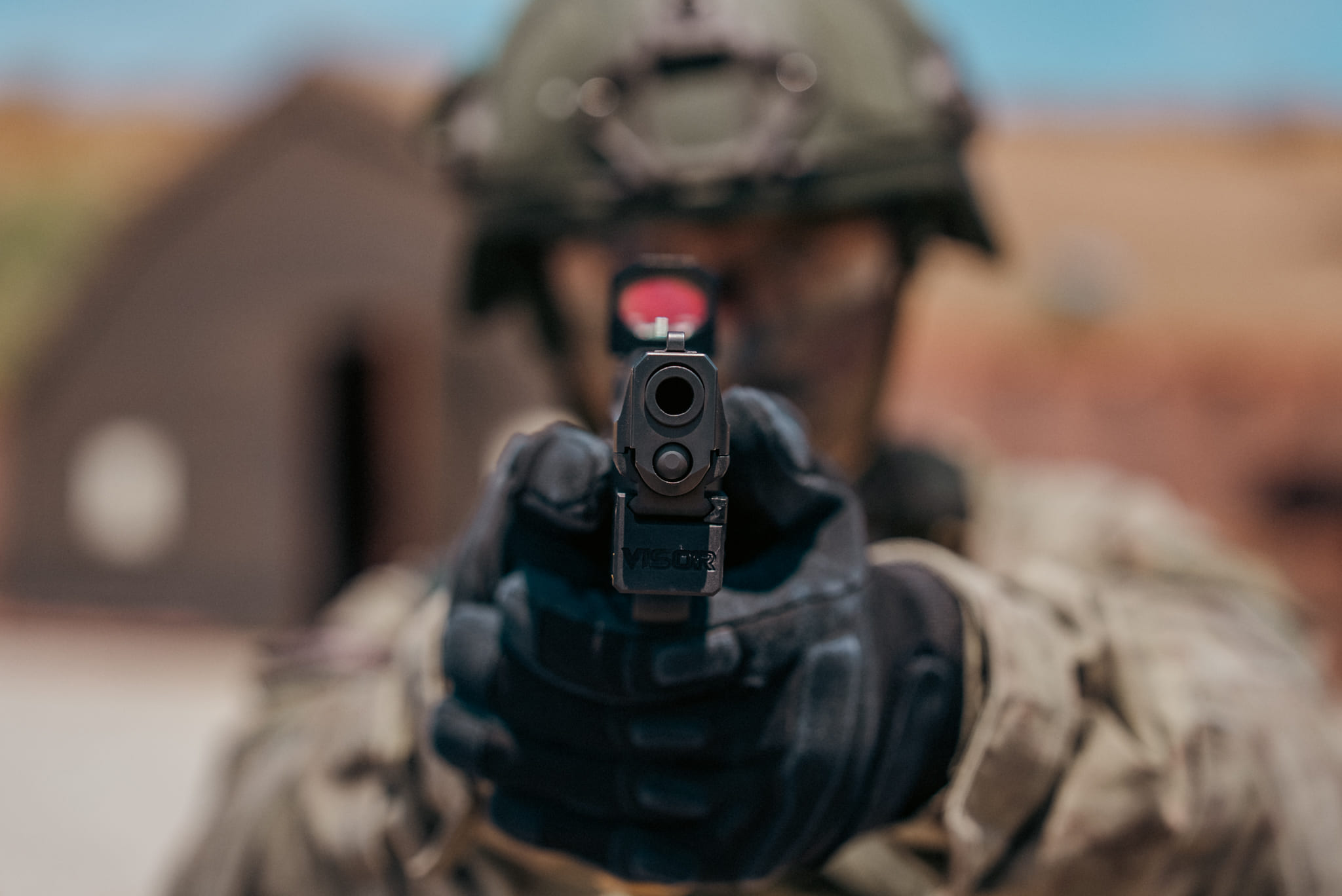
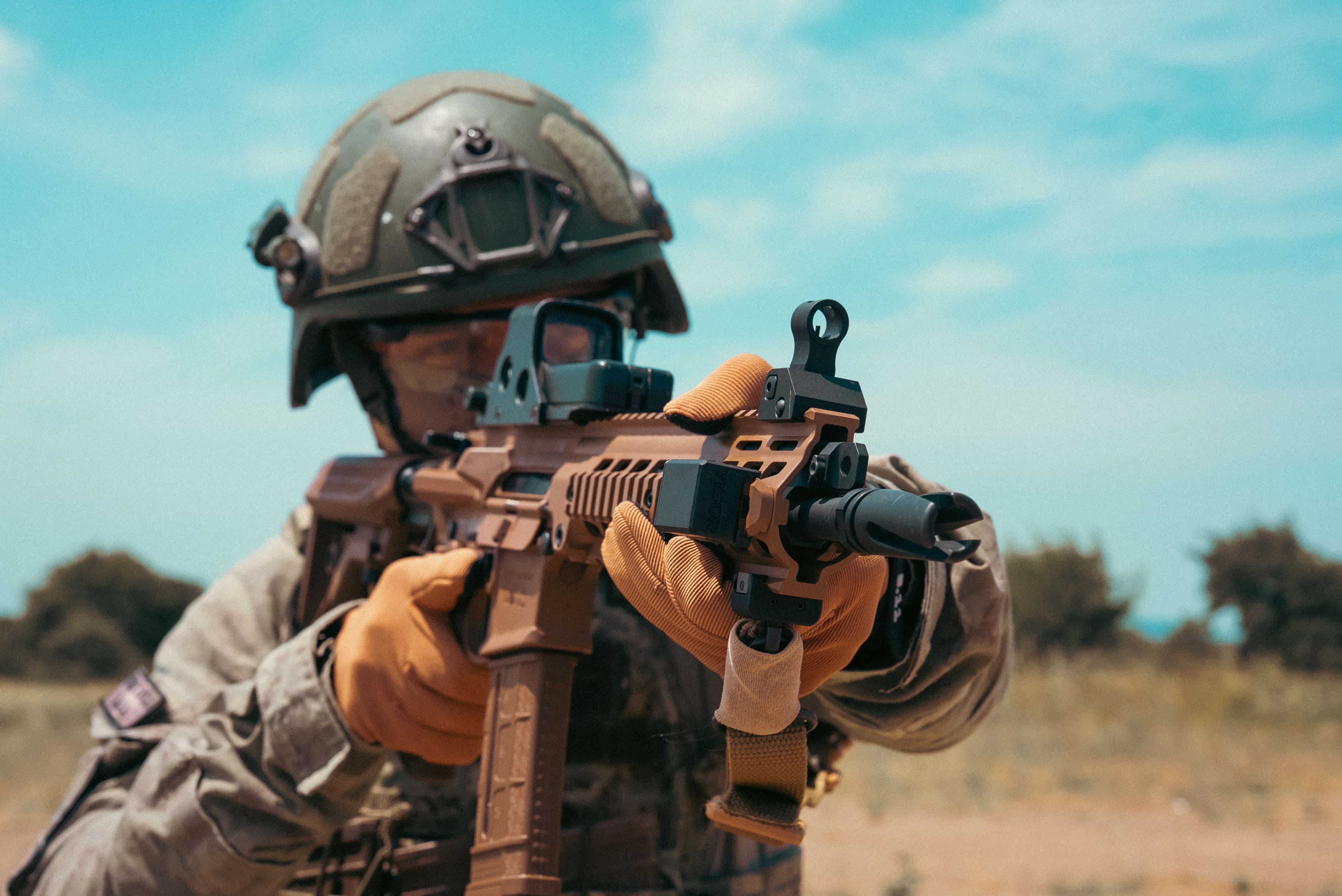
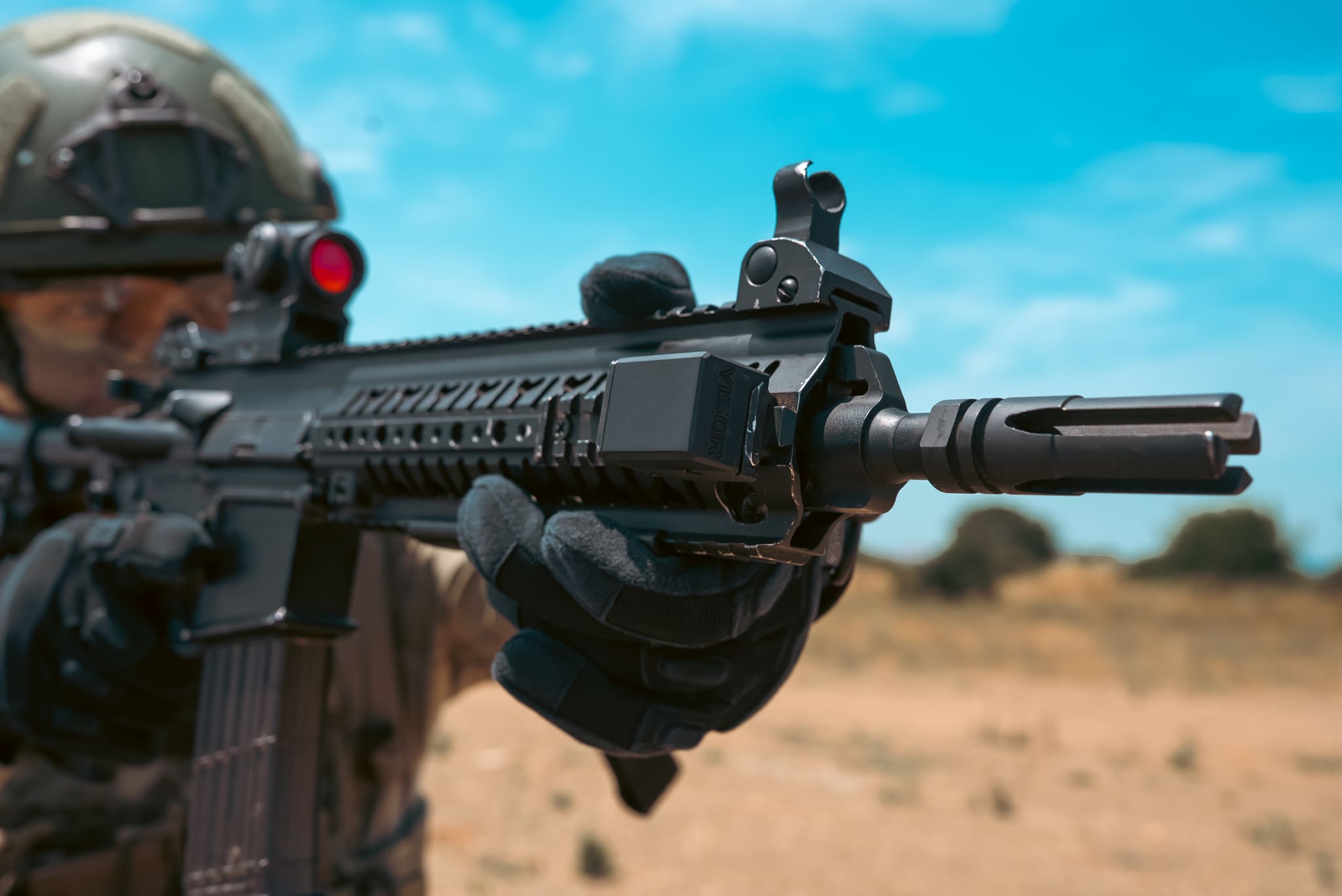
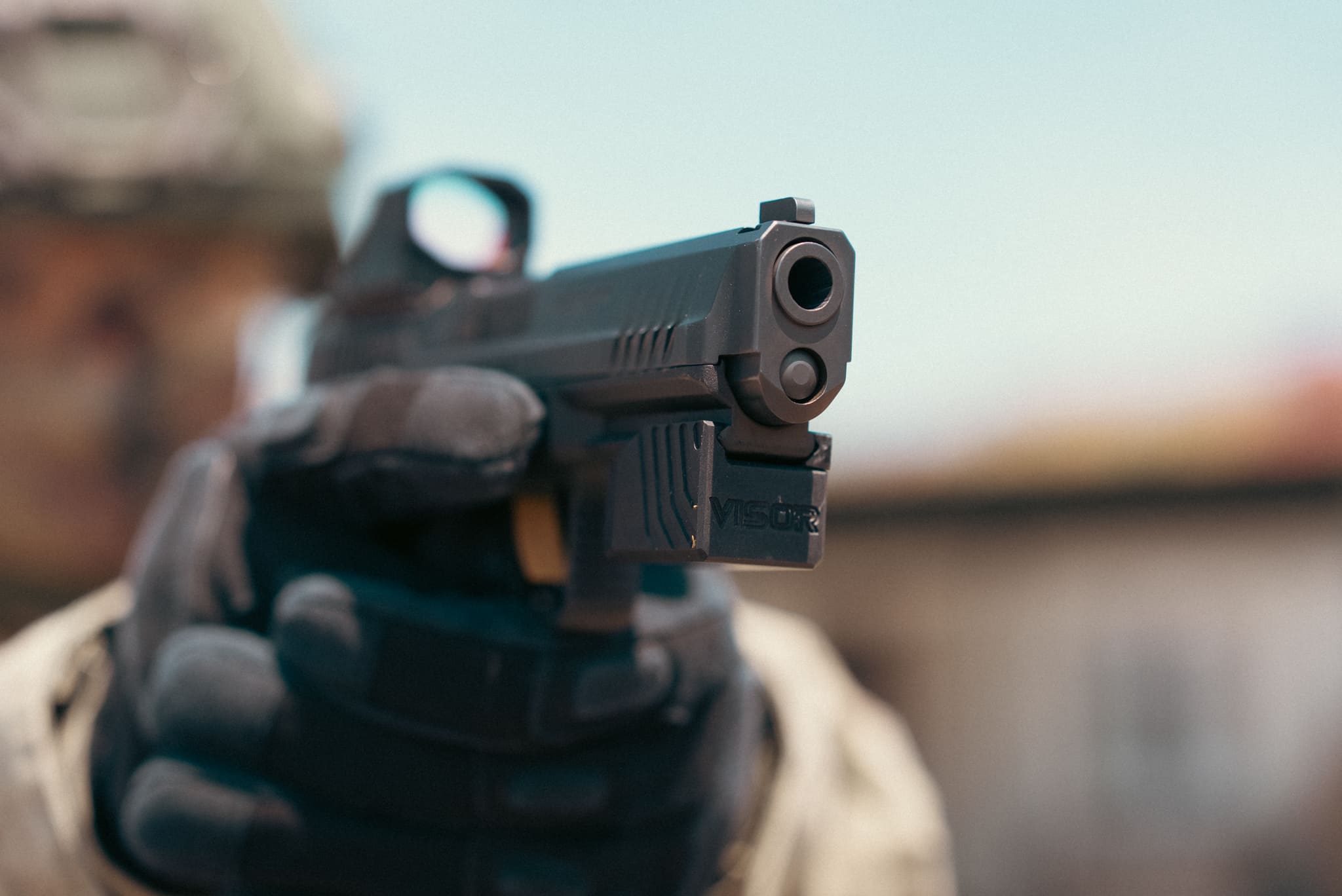
VISOR tracks weapon movement using the same metrics across dry fire, laser, and live fire training, allowing shooters and instructors to directly compare performance across all three. Instead of assuming dry fire progress will transfer, shooters can see precisely which elements do, and which still need to be tested and refined under live fire conditions.
This turns a decades-old debate into a measurable, individual answer — different for every shooter, and visible for the first time.
The Data-Backed Conclusion
Dry fire and live fire are not rivals. They are two lenses on the same skill, each exposing different parts of the picture.
The shooters who improve fastest are not the ones who choose one method over the other. They are the ones who measure both — and use the gap between them to know exactly what to train next.
Press enter or click to view image in full size
Learn more about VISOR at www.visorlabs.co
Android Play Store: https://play.google.com/store/apps/details?id=com.visorai.app Apple App Store: https://apps.apple.com/tr/app/visor/id6775163107?l=tr