Every shooter has heard the same advice at some point: “you’re jerking the trigger” or “you’re anticipating recoil.”
These labels are usually accurate. What they rarely explain is why it happens — the actual biomechanical chain reaction that turns a small, often unconscious movement into a missed shot. Understanding that chain is what separates shooters who fix an error permanently from shooters who fight the same error for years.

Why Errors Repeat Even After Correction
A shooter is told to fix a flinch. They focus on it, and for a few shots, it disappears. Then it comes back.
This cycle is common because most shooting errors are not conscious decisions. They are protective reflexes, built into the nervous system long before conscious thought can intervene. Telling the body to stop is rarely enough, because the movement was never a choice to begin with.
To fix these errors permanently, it helps to understand what is actually happening beneath them.
Anticipation and the Flinch Response
Anticipation is the most common error in shooting, and one of the hardest to eliminate.
Biomechanically, it is a startle reflex. The brain predicts an incoming loud noise and sudden recoil, and the body begins bracing before the shot breaks — tensing the shoulders, dipping the head slightly, or pushing the hands forward and down.
This bracing typically happens in the final fraction of a second before the trigger releases, which is exactly why it is so difficult to feel in the moment. The shooter believes the trigger press was clean, while the body was already compensating for an impact that had not happened yet.
Milking the Grip
Milking occurs when the entire hand closes around the grip during the trigger press, rather than isolating movement to the trigger finger alone.
This happens because the hand’s flexor muscles are biomechanically linked — it is difficult for most people to move one finger in isolation without some sympathetic tension in the others, especially under stress or physical exertion.
The result is a grip that tightens unevenly as the trigger breaks, typically pulling the muzzle off-target in the direction of the dominant hand.
Heeling and Pushing
Heeling refers to pressure applied through the heel of the hand during the trigger press, often as an unconscious counter-reaction to anticipated recoil.
Because the heel of the hand sits below the bore axis, this added pressure creates a pivoting force — pushing the muzzle upward and often to one side, depending on hand dominance and grip structure.
Pushing describes a related but distinct pattern, where the entire hand and wrist drive forward during the press, usually as an attempt to “fight” expected recoil before it occurs. This introduces forward muzzle movement that did not exist earlier in the aiming process
Trigger Freeze
Trigger freeze is the opposite failure — hesitation rather than overcorrection.
This typically develops after a shooter has experienced a startling recoil impulse or an unexpected result, and the nervous system begins delaying the final press as a protective measure. Biomechanically, this shows up as increased muscle tension in the trigger finger and forearm, and a trigger press that stalls just before the break point rather than completing smoothly.
Ironically, this hesitation often increases instability rather than reducing it, since prolonged tension makes it harder to maintain a steady position.
Why These Errors Are So Hard to Feel
Every error described here shares a common trait: it happens in a window of time too short for conscious perception.
Startle reflexes, grip tension changes, and micro-corrections typically occur in under 200 milliseconds — faster than the brain can consciously register and respond to sensory input. This is not a discipline problem. It is a biological one.
This is exactly why traditional correction methods — telling a shooter to “relax” or “follow through” — often produce only temporary results. The instruction addresses the symptom, but not the reflex driving it.

Turning Reflexes Into Visible Patterns
Correcting a reflex requires first making it visible.
By tracking muzzle movement continuously through the aiming and trigger press process, it becomes possible to see these errors as clear, repeatable patterns rather than vague impressions. A flinch shows up as a specific movement signature. Milking shows up as a distinct off-axis pull. Heeling shows up as consistent upward deviation.
Once a pattern is visible, it stops being a mystery — and becomes something a shooter can specifically target and correct.
How VISOR Identifies These Patterns
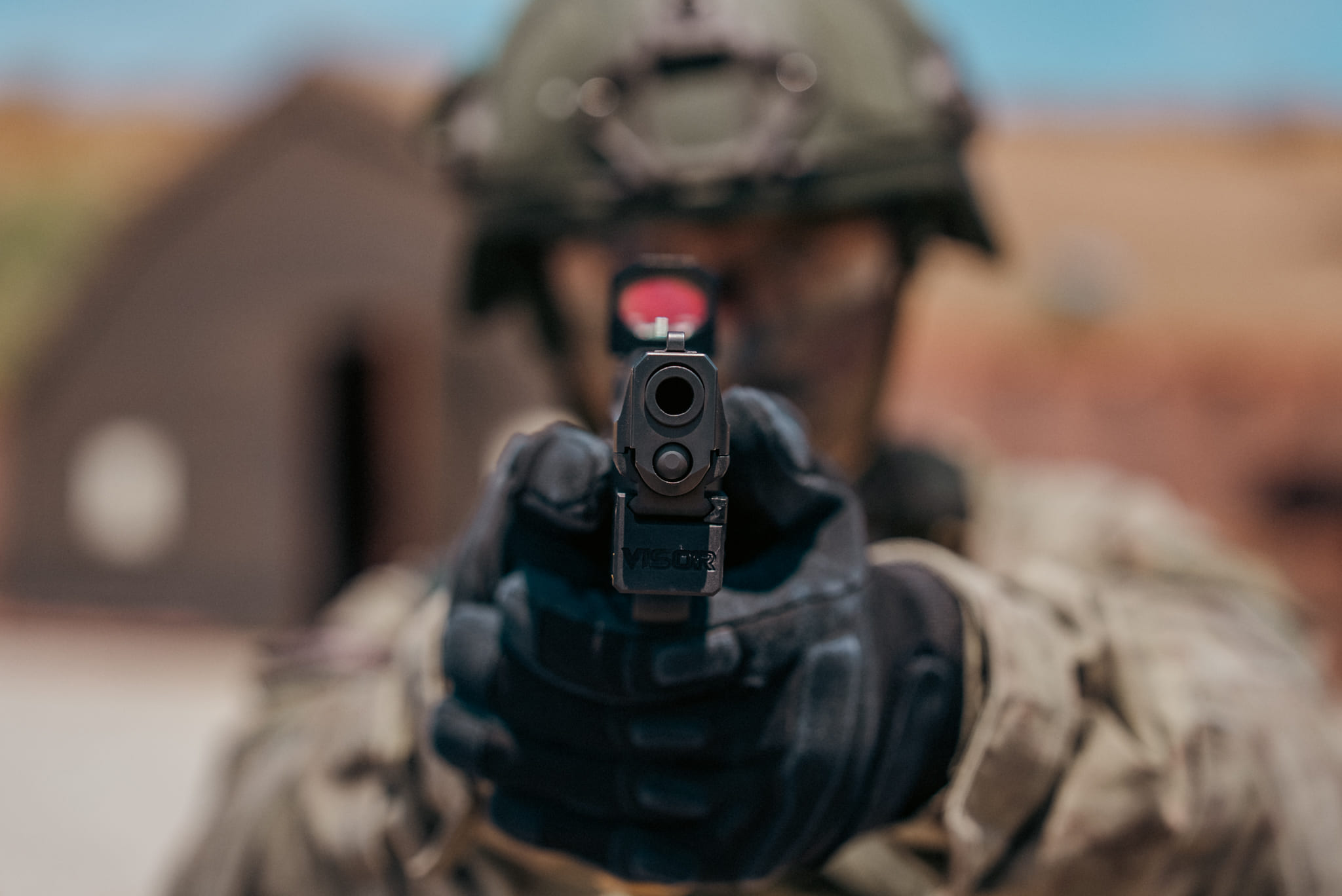
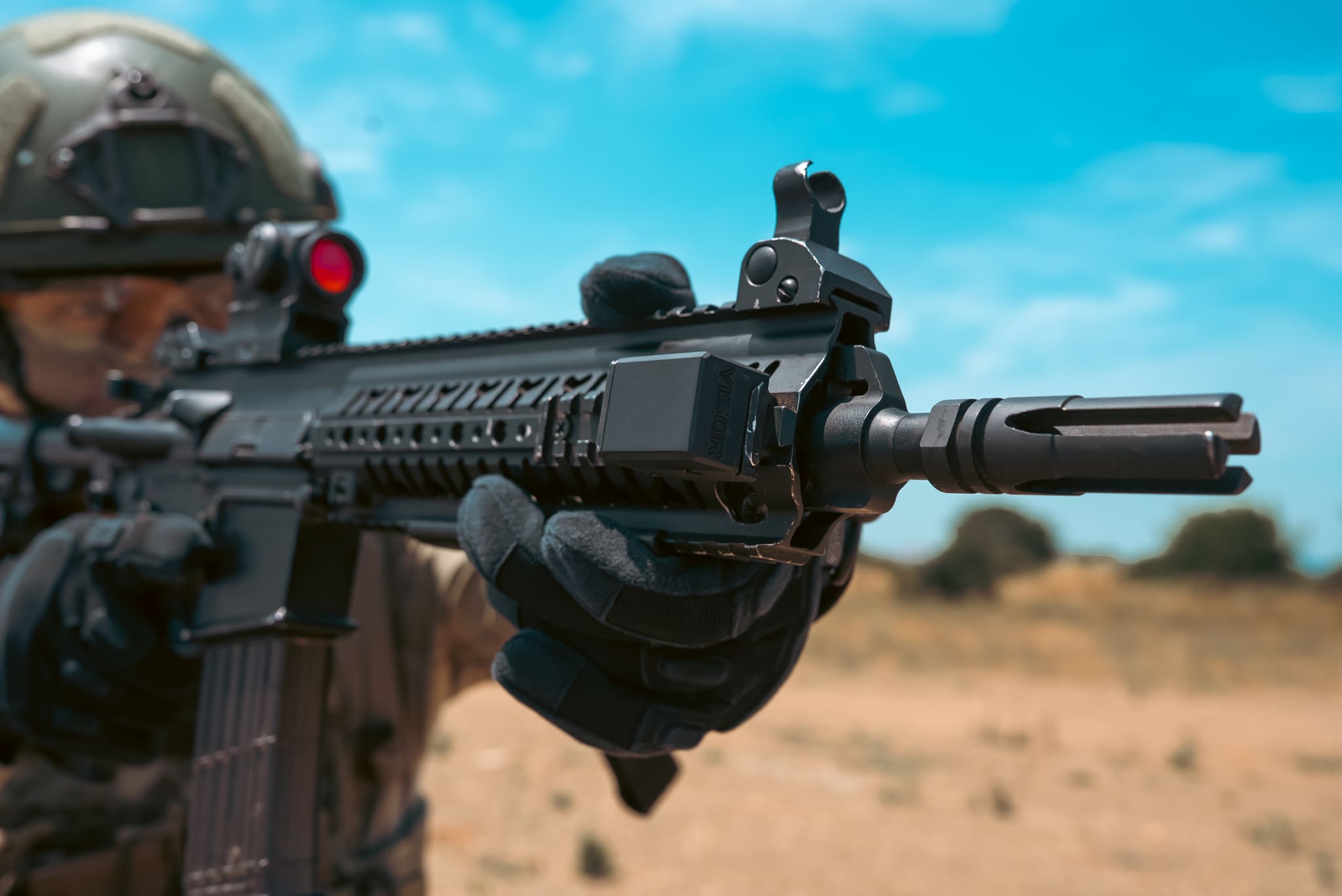
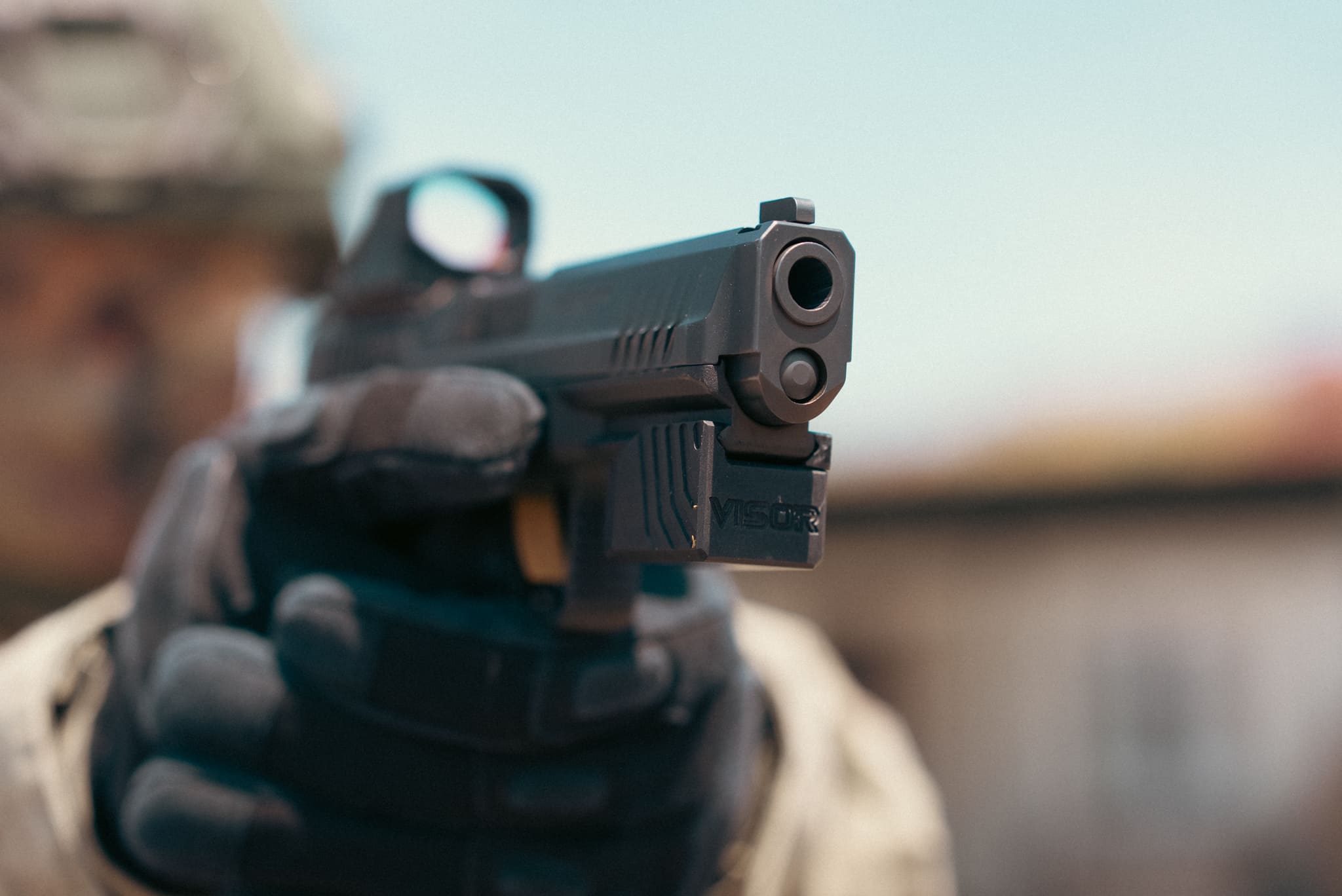
VISOR continuously tracks weapon movement through every stage of the shot process, making it possible to identify which specific error — or combination of errors — is affecting a shooter’s performance.
Rather than guessing whether a missed shot was caused by anticipation, grip tension, or hesitation, shooters can see the movement signature directly, repetition after repetition, across dry fire, laser, and live fire training.
This turns vague feedback like “something felt off” into precise, actionable insight.
Fixing the Cause, Not the Symptom
Every shooting error has a root cause, and that cause is almost always biomechanical rather than a matter of willpower or focus.
Correcting these patterns permanently requires understanding what the body is actually doing — and having the data to prove when it has stopped.
Press enter or click to view image in full size
Learn more about VISOR at www.visorlabs.co
Android Play Store: https://play.google.com/store/apps/details?id=com.visorai.app Apple App Store: https://apps.apple.com/tr/app/visor/id6775163107?l=tr